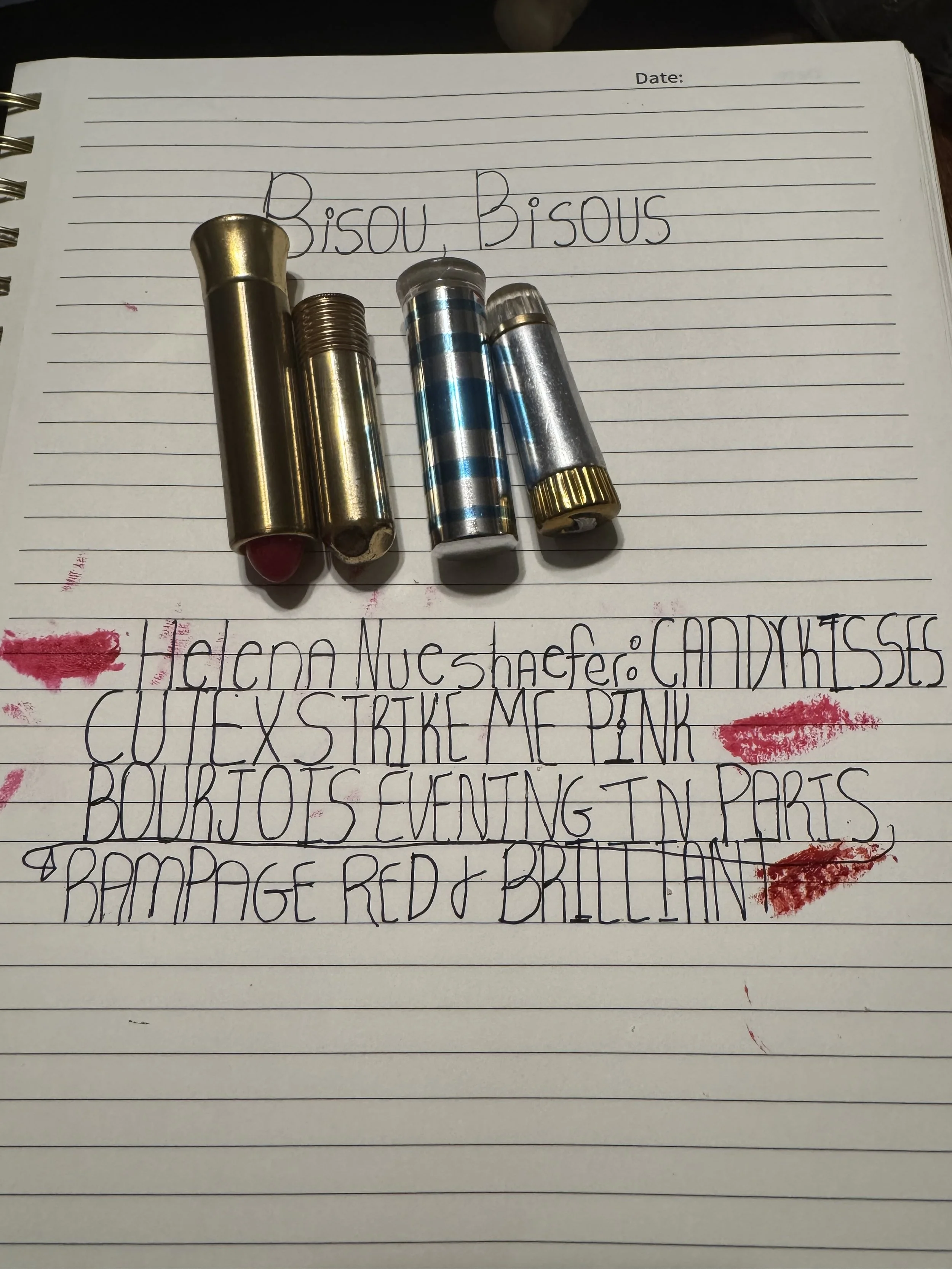
Buying Your First Vintage Lipstick
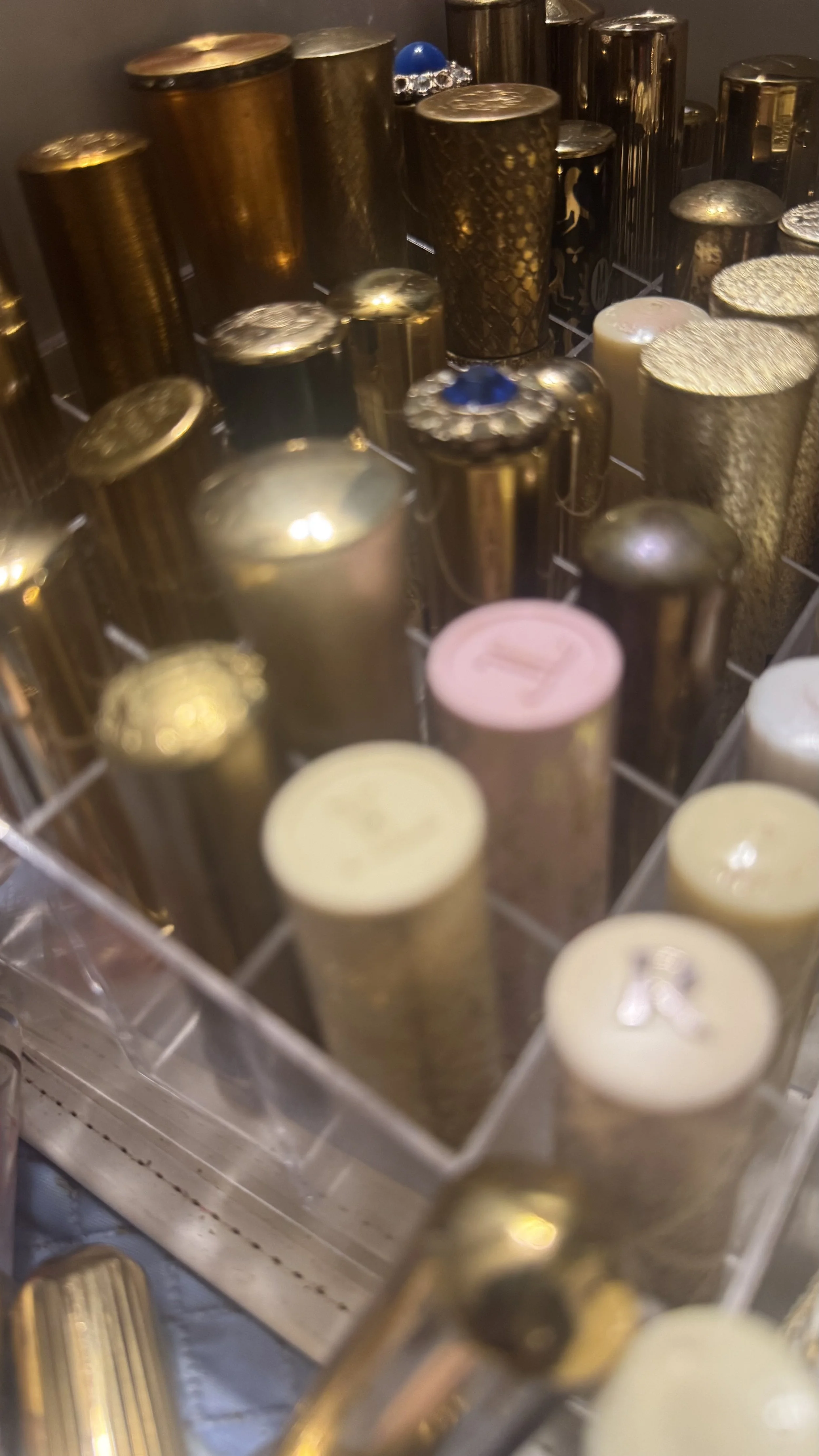
Purchasing your first vintage lipstick is about the journey, than the physical product itself.
ANYONE can buy a vintage lipstick, there’s no special process to do it. Here’s Josephine Sere’s golden rules for success.
NEVER buy a worn lipstick tube.
A worn lipstick tube increases unnecessary risk for pathogens, contaminants and bacteria due to the outer layer being broken and altered. Vintage lipsticks, in the golden era, have survived decades due to being pure wax and oil.
The lifespan of lip cosmetics is greatly altered when environmental conditions, such as oxygen, humidity, and moisture entering the picture, that can make even the best formulation turn rancid.
Bacteria growth occurs when water enters the mix, so it is best to stay away from worn tubes for hygienic reasons.
Shop by shade color instead of pretty packaging.
I’ve purchased the plainest, forgettable brass tubes and refillables because I loved the color more than the aesthetic value.
I’ve seen beautiful packaging marked up 3x as more for the same color in an ugly tube.
Shop by brand name last and shade preference first.
Sellers know every vintage lover is looking for Max Factor, original Revlon campaign shades, and vintage celebrity worn shades, they’ll make you pay for it.
You may get lucky and acquire a rare find for a great price, but keeping in mind that everyone else is competing for the same result.
Do your research if you choose to wear a vintage lipstick.
I didn’t buy and wear my first tube of vintage lipstick for 4 months, due to fears of ingredient stability and contamination.
The research is basic cosmetic chemistry, such as talc and asbestos having no usage in lipsticks, the 1938 Food, Drug and Cosmetics Act established that set up inspection facilities, truthful ingredient disclosure, ingredient testing before it hit shelves, and quality standards.
Don’t fall for fearmongering. Fear is the lack of information, and the information is out there to be discovered.
Lead is present in every lipstick, vintage and modern, due to lead being a trace residue in colorants and pigments.