How 1950s Vintage Lipsticks Actually Feel and Smell
Aldehydic openings, subtle powder, and the heavy wax structure of my daily mid-century collection.
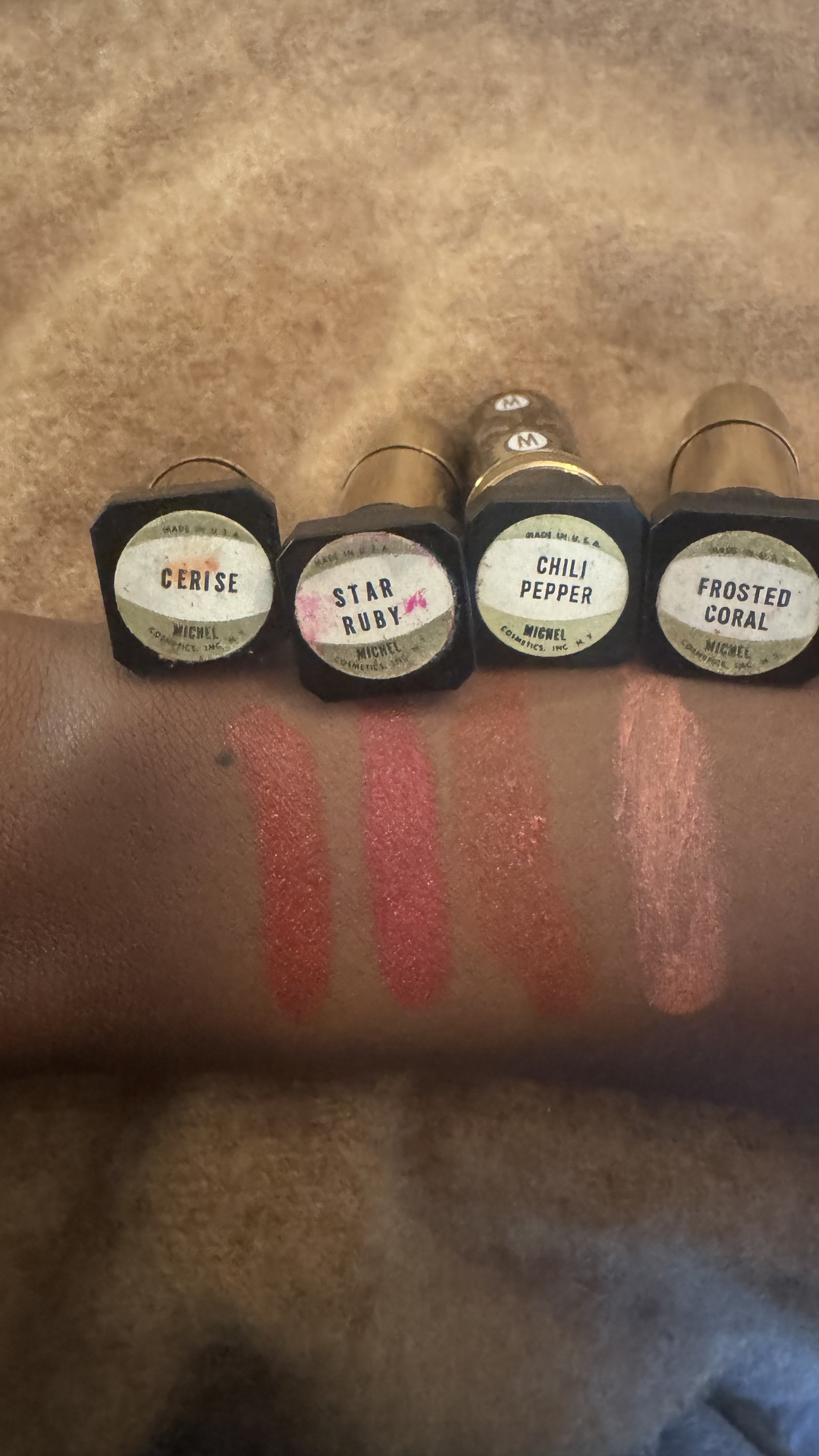
The most common question people ask me about wearing authentic 1950s lipsticks daily is how they actually compare to modern bullets. My short answer: modern formulas feel completely hollow by comparison.
The Scent: Aldehydes and Soft Powder
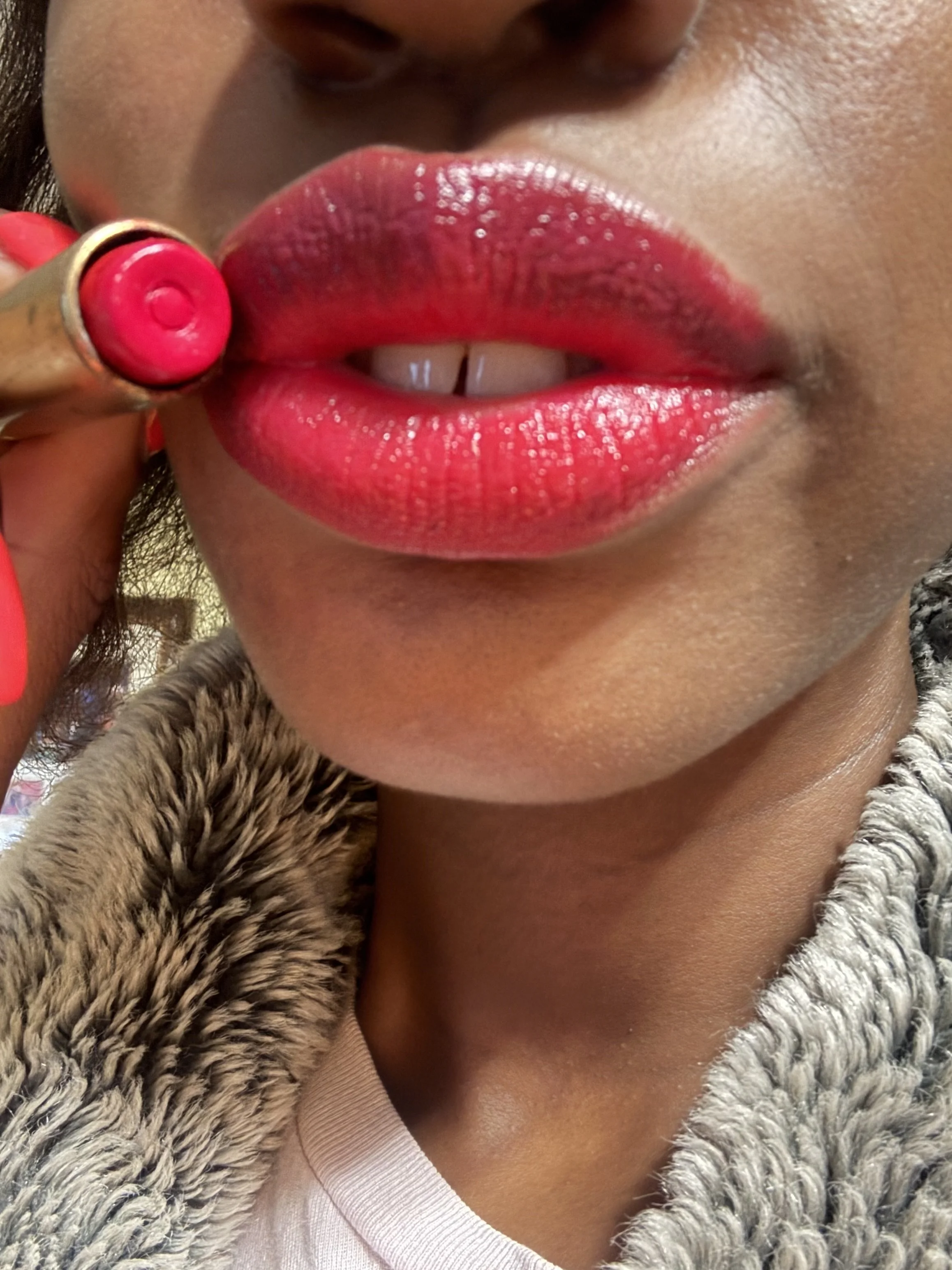
Modern lipsticks lean heavily on cheap synthetic vanilla, artificial berry, or chemical base notes meant to mask low-grade fillers.
My 1950s tubes aren't sweet or fruity. The moment I uncap a preserved bullet, the scent hits me with a sharp, clean burst of aldehydes paired with a light, dry powdery finish over a dense cosmetic wax base. It smells crisp, pristine, and distinctly historic, without relying on heavy floral perfuming.
The Texture: High-Pigment Drag
If you are used to modern silicone-filled lipsticks that slick across the lips like balm, a real 1950s formula will catch you off guard.
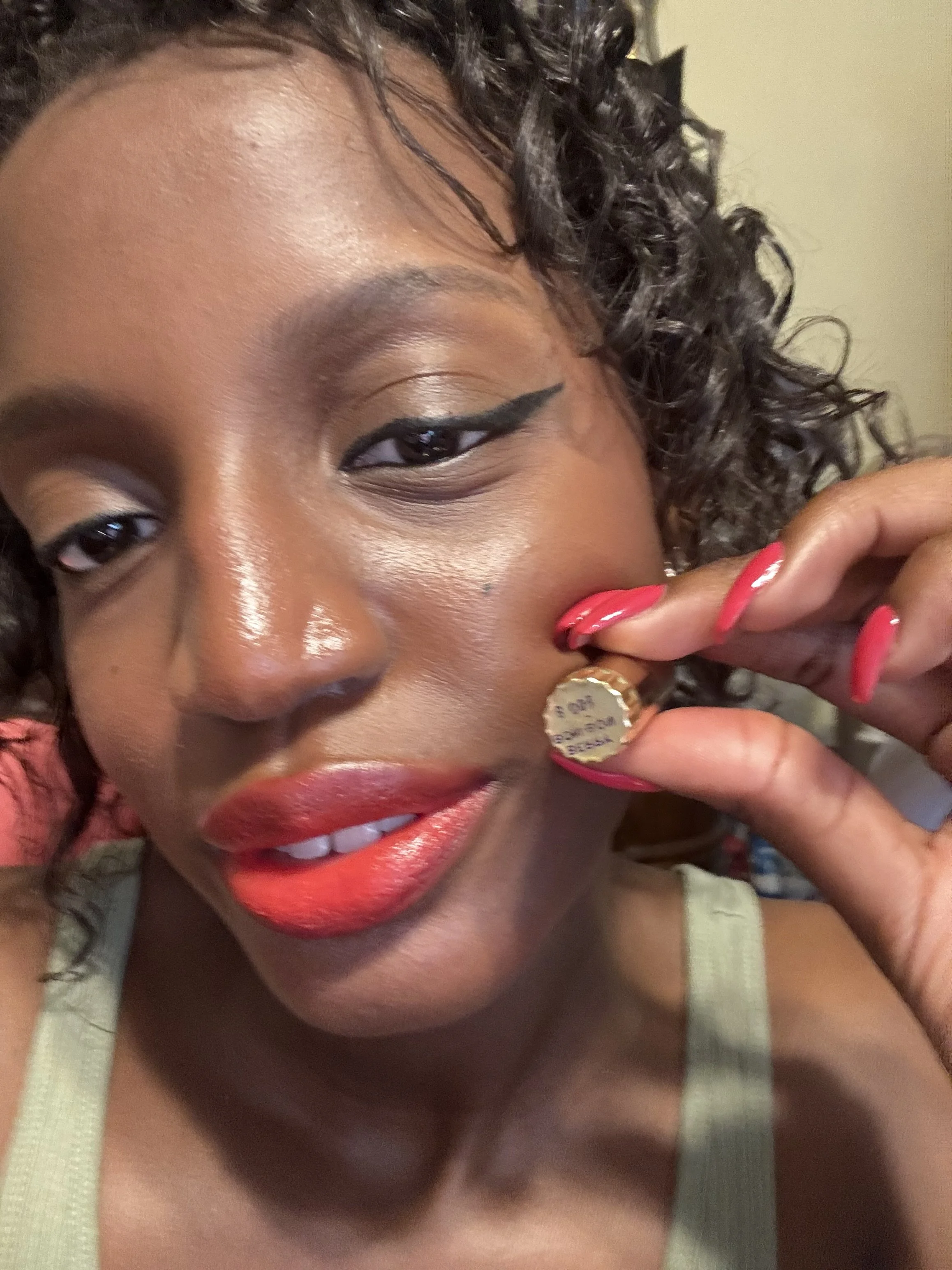
The Application: These formulas don't glide effortlessly. They require the natural warmth of my lips to yield, applying with a firm, deliberate drag that deposits maximum pigment in a single pass.
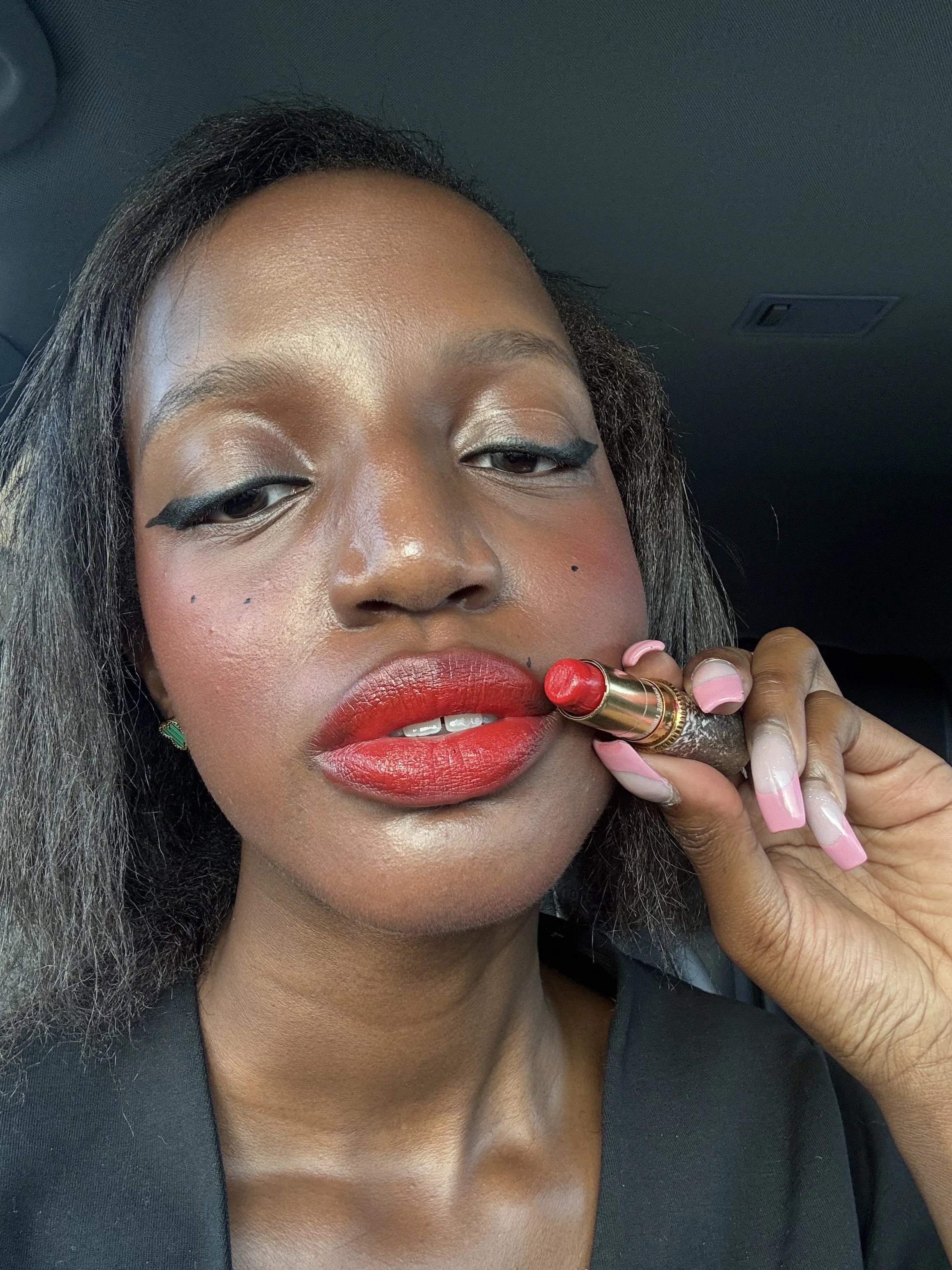
The Finish: Instead of a slippery gloss or a flat, drying liquid-matte, my 1950s extra-cream formulas dry down into a thick, velvet-satin barrier.
The Wear: Because these bullets were structured with heavy natural waxes and un-fractionated oils, they sit on my skin as a protective shield. They don't bleed past my lip line, and they don't disappear in an hour.
Frequently Asked Questions
What do my 1950s lipsticks smell like?
They carry a clean, aldehydic scent profile with a light powdery finish over a heavy wax base, completely avoiding the sweet synthetic vanilla or fruit additives used today.
How is vintage lipstick different from modern lipstick in daily wear?
Mid-century lipsticks relied on dense natural waxes and heavy pigment rather than modern silicone fillers, resulting in a firmer drag, instant color payoff, and a protective satin finish.
